Protecting South America's Invisible Water Infrastructure

ARTIC Atmospheric Water Security

Pricing a risk that standard models leave out

The Amazon generates much of the rainfall that South America's agriculture, hydropower, and cities run on. The dependency is measurable. It is also unhedged. ARTIC prices it as an insurable risk, transfers it to capital markets, and funds the forest protection that reduces it over time.

The Dependency

Flying Rivers

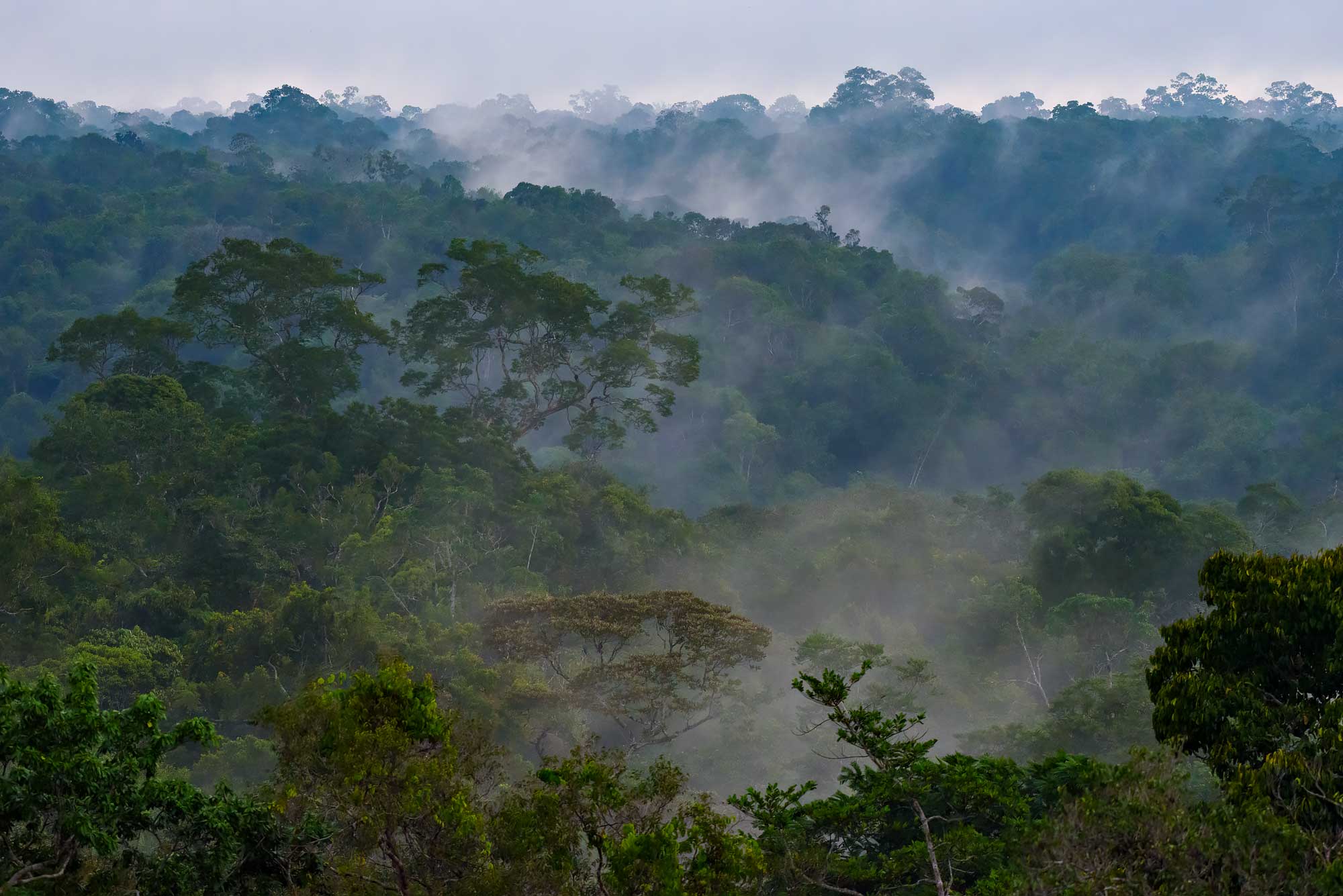
The Amazon recycles moisture into the atmospheric flows that carry much of South America's rainfall. These flows, the flying rivers, supply the agriculture, hydropower, and urban water of the continent. They hold while the forest holds. No balance sheet records the system, and no instrument covers it.

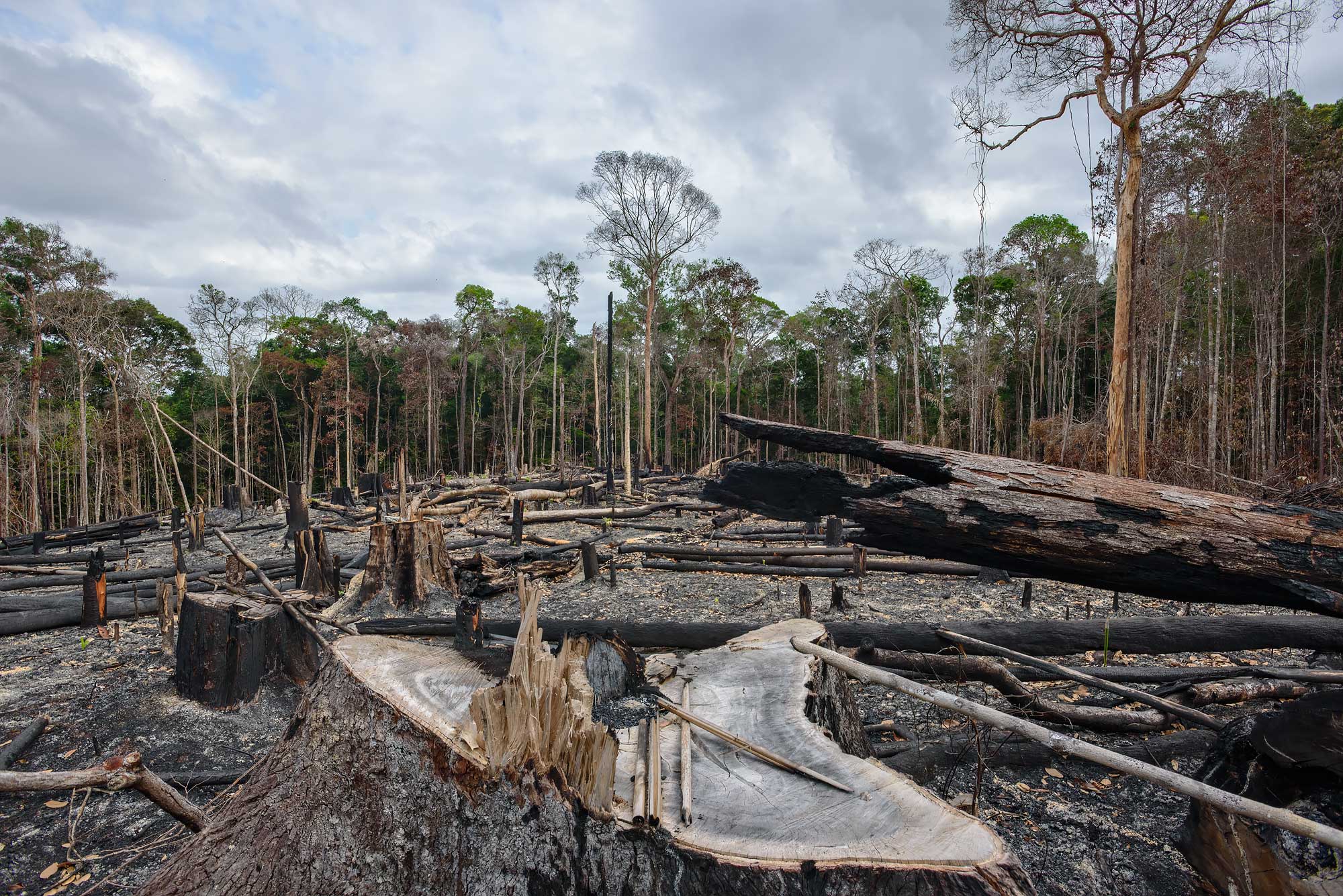
Around 17% of primary forest has already been cleared. Scientific literature places the tipping point at 20 to 25%, the level beyond which the system is expected to shift toward a drier, savanna-like state over a timescale measured in decades. The nearer that threshold, the more the rainfall behind the regional economy is exposed. Past it, the moisture system does not return on any horizon a finance ministry or an investor would plan against.

The Exposure

One dependency, priced as if it were many

Standard risk models treat South American agricultural, energy, and sovereign exposures as diversified. They are not. Each rests on the same atmospheric system, which is absent from conventional factor models, stress tests, and climate scenarios.

The 2023 to 2025 drought sequence moved through the region's power grids, rivers, harvests, and public finances at once. The Inter-American Development Bank projects agricultural losses alone above $256 billion by 2050, before stranded infrastructure, lost output, and sovereign revenue erosion.

The exposure is correlated, material, and largely unpriced.
Projected agricultural losses alone exceed $256 billion by 2050, with further downside from infrastructure underutilization, corporate earnings declines, sovereign revenue erosion, food shortages, and food cost inflation.

– IDB, Inter-American Development Bank, The Amazon tipping point, 2021

The Structure

Insurance, not advocacy

ARTIC prices the dependency and makes it transferable. Exposed parties pay an actuarially set premium against a clearly defined obligation. A substantial share of that premium funds verified forest and watershed protection in the territories the system relies on.

The structure is built so that protecting the forest and pricing the risk reinforce each other rather than compete. That alignment does not exist in conventional reinsurance.

The structure has been developed with a global reinsurance partner, leading scientific institutions across South America, and established capital markets counterparties.

The Team

Priced, not pledged

ARTIC was founded by senior practitioners from finance, conservation, risk structuring, and public policy. They share one premise: the Amazon's tipping point is a quantifiable and insurable risk, not only an environmental concern, and one that can still be reduced.

Their background includes the design of investable instruments for adaptation and resilience, built around hazards that move rather than hold still. Nature and climate risks are non-stationary. Frequency and severity rise over time, and a structure priced against last year's curve is already behind. Most instruments transfer that risk. Fewer are built to reduce it. The team has worked on the second: capital structures that lower the probability of the loss they cover, not only its cost, and bend a rising hazard curve down.

ARTIC applies that discipline to the Amazon, as a market-based structure rather than a grant or a subsidy. The aim is to price the risk accurately, place it with the markets equipped to hold it, and direct capital toward protecting the natural systems that reduce it. Protection and return are both measured, not assumed.


ARTIC turns a risk that sits on no balance sheet into one that can be measured, transferred, and reduced. Enquiries from sovereigns, investors, and exposed corporations are welcome.

CONTACT US
ARTIC Atmospheric Water Security
Amazon Rainforest Tipping Insurance Consortium
© ARTIC 2026
Photography and Imagery: © Harvey Locke and Kristian Bogner 2026
Video credit:  Bruno Castelo Branco Damiani
linkedin facebook pinterest youtube rss twitter instagram facebook-blank rss-blank linkedin-blank pinterest youtube twitter instagram